

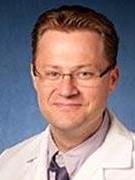
Patrice Fort, Ph.D., M.S.
(He/him/his)
Biography
Dr Fort is a trained neuroscientist focusing on the neuroretina and the neuro-glial interaction. Dr Fort did his undergraduate studies at the Claude Bernard University in Lyon (France) before a master’s degree in neuroscience and a Doctorate in Living Sciences from the Louis Pasteur University in Strasbourg (France) with Dr Alvaro Rendon and Pr Jose Sahel at the Vision Institute in Paris (France). During his Ph.D., he uncovered unknown key roles of one of the dystrophin isoforms called Dp71, one as a key player in the regulation of retinal homeostasis by Müller glial cells, and the other as a critical protein for maintenance of lens transparency.
Following his Ph.D., Dr Fort pursued is training at the Penn State University (Hershey, PA) where he continued to gain knowledge of retinal physiology and how it is affected by metabolic and neurodegenerative diseases. As he joined the laboratory of Dr. Gardner for his postdoctoral fellowship, he started studying how diabetes affects retinal metabolism and specifically, protein synthesis. This led to the identification of novel mechanisms of regulation of protein synthesis, specific to the retina and different from other insulin-sensitive tissues. During this time, he also identified previously unknown proteome changes, including effects on intrinsic protective mechanisms critical for cellular survival, using proteomic-based discovery approaches. Dr Fort was recruited by the University of Michigan Kellogg Eye Center in December 2010 as an assistant professor of the department of Ophthalmology and Visual Science, where he focuses on the function and regulation of these intrinsic protective mechanisms in acute and chronic retinal neurodegenerative disorders. Dr. Fort later joined the program of Cellular and Molecular Biology (CMB) as well as the department of molecular and Integrative Physiology (MIP) and the Neuroscience graduate program (NGP) of the University of Michigan in which he participates in recruitment and training of graduate students. Over the last +10 years, Dr. Fort also became a leader in the use of post-mortem human ocular tissues to expand our understanding of the impact of diabetes and define the molecular mechanisms of onset and progression of Diabetic Retinal Disease (DRD). This work is central to his role as director of Biorepository and Resource Center (BRC) of the Mary Tyler Moore Vision Initiative (MTM Vision), a major intiative leading the field to eliminate loss of vision in people living with diabetes.
Research
The main research interest of Dr. Fort's laboratory are:
1. Intrinsic retinal neuron survival mechanisms
2. Retinal glial cells implications in pathological and normal retinal functions
3. Hsp/Crystallin protein functions in the retina
4. Signaling pathways regulation
5. Regulation of the retinal inflammatory response

Condition Focus
Center, Institute, and Program Affiliations
Career Track
Language Proficiency
- French - Read/Write/Speak
- Spanish (Latin American) - Read/Speak
- German - Read/Speak
- Japanese - /Speak